Criminals terrorise aged gold mining area
Advertorial: Criminals terrorise aged gold mining area: The head gear from the original Durban Deep mine still stands. Mnyamane came out …


MyJHB
Stuff from Johannesburg
Advertorial: Criminals terrorise aged gold mining area: The head gear from the original Durban Deep mine still stands. Mnyamane came out …
Johannesburg, Gauteng, South Africa in the news: South African anti-apartheid veteran Ebrahim dies aged 84: Ebrahim Ismail Ebrahim, a …

Johannesburg in the news: Nkanunu, the ‘Mandela’ of South African rugby, dies aged 87: Nkanunu led SA Rugby for five years …
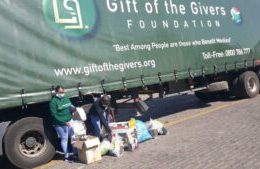
MyPR: Gift of the Givers as well as the aged, the visually impaired and a children’s home, get much-needed masks: Gift of the Givers …
The 2010 World Cup turned the FNB Stadium into a global icon. It hosted both the opening match and the final, where Spain defeated the Netherlands to claim the trophy. Perhaps most poignantly, it was the site of the “nearly” moment for African football when Ghana’s Black Stars came within a crossbar’s width of reaching the semi-finals. For Johannesburgers, the stadium is more than a soccer pitch; it is the home of the Soweto Derby, the fierce rivalry between Kaizer Chiefs and Orlando Pirates that can see nearly 100,000 fans descend on the precinct in a sea of gold and black.
As of 2026, the FNB Stadium continues to be a versatile giant. It has hosted some of the world’s biggest musical acts, from U2 to Justin Bieber, and remains a primary venue for national celebrations and political rallies. It stands as a landmark of “New South Africa” architecture—rejecting the cold, European brutalism of the city’s past in favor of a design that feels earthy, indigenous, and undeniably grand. It is the one place in Johannesburg where the entire city, from the mansions of Sandton to the matchbox houses of Soweto, comes together to breathe as one.