
MyPR: Insight: Not all hand sanitisers are equal:
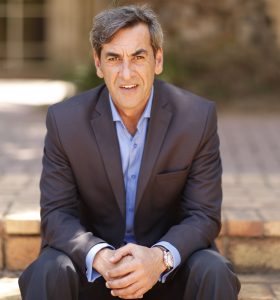
Burt Rodrigues CEO of Biodx gives insight into the hand sanitisers
“Right now each time you walk in or out of a shop, office or building, you’re supposed to use whatever hand sanitiser they’re offering – unless you bring your own. And to be safe at home you’ve probably been buying various products off the supermarket or pharmacy shelves. Do these products make you feel safe? The very word sanitiser alone on the label sadly isn’t enough to guarantee your protection, particularly from Covid-19.
Protection
“So how can you make sure you are in fact fully protected? In theory the answer should be easy. The label should clearly show an SABS approval stamp. After all they call themselves a ‘leading global providers of standards and regulatory approval, certification and accreditation’. But how hard can it be to get when we’ve just cut and pasted it from the internet.
“A product showing their mark and registration is telling the consumer you’re guaranteed the same quality of product and performance every time you use it. So, without this guarantee or falsely using this label means one thing – danger.
“I you received this approval rating 15 years ago it was a very different ballgame. In the past when you saw an SABS stamp on a product containing chemicals made to kill living things, you had trust in it.
“Such products pose a danger to the consumer which is why government developed a framework over many years to protect society from getting hurt. This rating should mean something, particularly given the process that products are supposed to go through to qualify – the onus shouldn’t be on the consumer to get the product tested.
Degradation of compliance
“Sadly the last 20 years has seen the degradation of such compliance platforms and people have become accustomed to buying non-regulated compounds, which are dangerous to human health. Today no one is aware what these regulations even are and with Covid-19 and the urgency around manufacturing and sourcing such products this equals a very dangerous situation.
“Then you have the NRCS (National Regulator for Compulsory Specifications) which is there to make sure your product has a registration number; proving by using the product you aren’t endangering society. The problem here is not everyone is a chemist, doctor or scientist and people don’t realise they should check out the registration on the product with the company’s website to verify its authenticity. After all if you can’t rely on the NRCS brand being real you can’t rely on yourself as a consumer. It’s comparable to taking a Ferrari hood ornament and sticking it on a Tata…
“Another thing that’s changed over the years is the enforcement behind false claims such as these. In the past nobody would dare make a false claim on a product because you could be jailed but complacency has crept in over the years and these bodies don’t have the capacity or knowledge any longer to enforce such punishment.
Only a handful of companies/ brands comply
“If people suddenly only started buying genuine SABS/NRCS labelled products there would be only a handful of companies who could supply them. What has happened overseas with the sudden surge in the need for disinfectant products was to allow products on to the shelves which have gone through the registration process but have just not been awarded final documentation. These are now being rapidly fast tracked and approved – but only if they comply with the strict regulations. Such registrations normally take years and cost hundreds of thousands of Rands to complete but somehow quite a few not so compliant products have also made it on to shelves.
“So what does this mean for schools which have just reopened? Perhaps this is one of the contributors to so many quickly closing down again. They go through all the motions of disinfecting but are they using genuine and safe products?
“It comes down to where does the responsibility lie. We’re dealing with dangerous products here – possibly that haven’t been tested for human consumption. If the instructions on a product also aren’t clear and you put too much on your skin it won’t just kill the viruses but damage your skin too. And then there’s the content. Some raw material has sugar in it and if this is left behind after use it can trigger a microbial explosion, turning 1 000 bugs into 100 000 bugs, creating rather than preventing infection. Without proper SABS and NRCS rating you are in danger!
Our recommendation
“Always check the packaging label as follows:
• Does it display the SABS and NRCS marks?
• Does it contain SABS or NRCS registration numbers?
If you are in doubt go to the SABS OR NRCS websites to check it out.”
CLICK HERE to submit your press release to MyPR.co.za.
– MyPR
CLICK HERE to submit your news to www.MyPR.co.za.
Click here to submit your Johannesburg, Gauteng News – free.
Have you tried: Travelling to South Africa?
Did you know this about Johannesburg? OR Tambo International Airport is the busiest airport in Africa: It’s estimated that more than 28 million people pass through this airport’s terminals every single year. OR Tambo International has also been around for more than 60 years – it was opened in 1952.

 ThinQ Smarter, Not Harder: How LG ThinQ Technology Can Elevate Your Lifestyle